
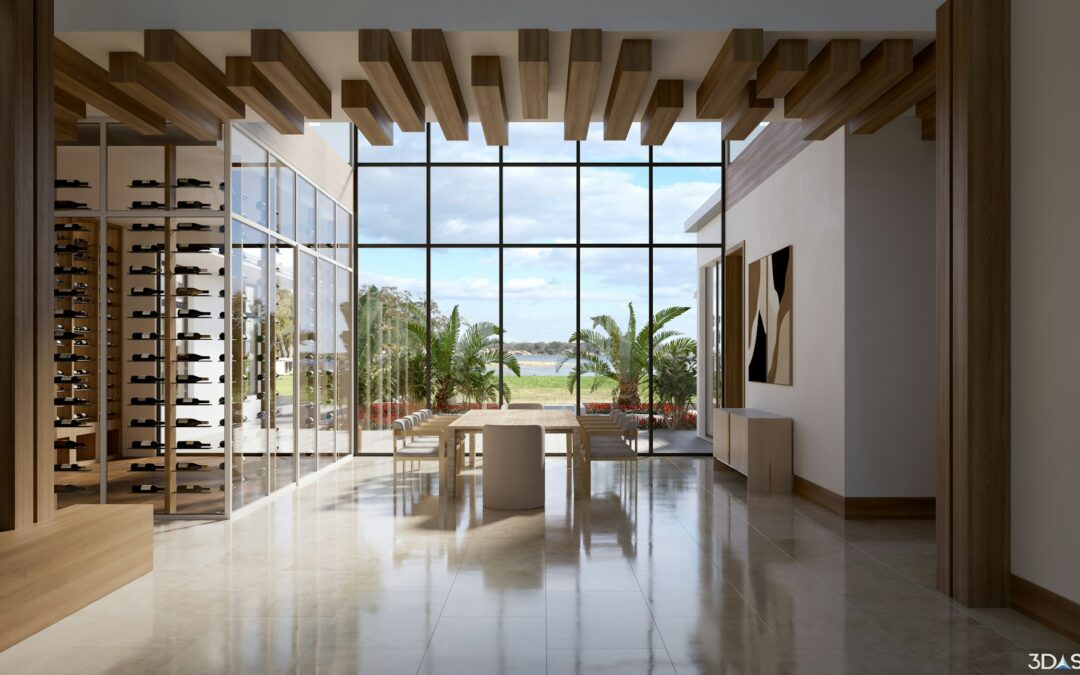
Why Million-Dollar Homes in Austin Demand a Closer Look
Million-dollar homes in Austin often look flawless at first glance. The finishes are sleek, the views are Instagram-ready, and the addresses carry instant status. Yet once you get past the staging and the sunset photos, the details that really shape your day-to-day life and long-term return can be more complicated than they appear.
At The Morshed Group, we work with entrepreneurs, executives, and high-net-worth buyers who are used to making sharp business decisions. In residential real estate, though, even savvy buyers can assume that a seven-figure price tag automatically equals a “safe bet.” In reality, what counts is not just the neighborhood name or the size of the kitchen island, but the fundamentals behind the property. This article pulls back the curtain on what is often overlooked in million-dollar homes in Austin, and how to evaluate them with the same clarity you use in your business.
Beyond the View: Hidden Location Tradeoffs
In Austin, two homes with similar list prices in the same ZIP code can perform very differently. The micro-location, down to the specific block and which side of the street you are on, can have more impact than many buyers expect. We regularly see strong properties on paper lose their edge because of details that only show up once you live there.
Some of the most overlooked location items include:
- Street orientation and traffic flow, including cut-through routes that spike noise and headlights at night
- School zone boundaries that change buyer demand, even within the same general area
- Proximity to future development corridors that might add convenience or, in some cases, congestion
Affluent buyers also tend to underestimate lifestyle friction. A commute that looks simple on a map can feel very different when you factor in peak-hour traffic to downtown or a major tech campus, or weekend congestion around dining and entertainment districts. Short-term rental density nearby can change the feel of a block, parking availability, and even perceived safety for guests.
Long-term livability connects directly to exit appeal. In Austin, that can mean:
- Floodplain nuances that affect insurance, renovation options, and buyer comfort
- Wildfire exposure in hillier or heavily wooded areas
- Planned infrastructure projects, such as road expansions or potential light rail routes, that can either improve access or introduce new noise and traffic
A million-dollar property with spectacular views but poor long-term livability can be harder to sell on your timeline, or require deeper price cuts than a more balanced, less flashy home in a stronger micro pocket.
Construction Quality Behind Luxury Finishes
High-end finishes are easy to see. Construction quality usually is not. In Austin’s luxury segment, new or newer homes often showcase stone, glass, custom cabinetry, and dramatic ceilings, but what really matters is how the home is built beneath the surface.
Cosmetic luxury can hide issues such as:
- Undersized structural supports that limit future modification options
- Value-engineered framing that feels solid now but may not age gracefully
- Foundations on slopes that are not engineered with enough margin for local soil movement
The builder’s track record in Austin matters. Our climate, soil, and intense heat put different stresses on a property than many other markets. It is worth asking:
- How long has this builder been active in Austin specifically?
- How do they typically handle warranty claims?
- Are their homes designed for longer ownership cycles or quick spec turnover?
Then there are the systems that matter far more than any staging. For seven-figure homes, we pay close attention to:
- HVAC design that can keep up with Austin’s heat and humidity without creating hot and cold spots
- Window and door quality for both energy efficiency and sound control
- Roof and building envelope performance that affects comfort and long-term maintenance
A house can photograph like a magazine cover and still feel loud, inconsistent in temperature, or surprisingly costly to operate if these elements are not well executed.
Zoning, Regulations, and the Fine Print of “Can I”
A common assumption with million-dollar homes in Austin is that a large-feeling lot automatically means freedom to add what you want later. In reality, Austin’s land use rules, neighborhood overlays, and various restrictions control what you can actually do. That matters if you are thinking about a guest house, studio, or future expansion.
Before you fall in love with the backyard, it helps to understand:
- Whether zoning allows additional structures, like an office wing or ADU
- Overlay districts or neighborhood conservation rules that set design or size limits
- Height, setback, and coverage rules that reduce the buildable area compared to what you visually perceive
Income strategies can also be affected. Many high-net-worth buyers like to keep options open for partial rental, corporate housing, or hosting extended stays for partners and teams. City short-term rental regulations, HOA rules, and deed restrictions can shrink or eliminate some of those strategies.
Hidden obligations often surprise buyers who assume that a high-end home is fully flexible by default. For example:
- Impervious cover limits can restrict new patios, sport courts, or expanded driveways
- Tree preservation rules can reshape pool placement or larger landscape plans
- Drainage easements and view protections can limit where and how you add outdoor amenities
The fine print may not change whether you buy a property, but it should shape what you pay and how you plan.
Operating Costs, Maintenance, and Time Investment
Entrepreneurs and executives rarely underestimate purchase price, but they often underestimate the friction of ongoing ownership. With million-dollar homes in Austin, the annual carrying picture can look very different from what buyers are used to in other markets.
Some of the big line items to evaluate include:
- Property taxes across different school districts and jurisdictions
- Insurance costs related to hail and wildfire exposure, depending on the specific area
- Pool and landscape maintenance for larger outdoor living setups
- HOA or gated community fees that cover amenities and shared infrastructure
Then there is the complexity that comes with smart and luxury systems. High-end automation, integrated security, advanced appliances, elevators, and custom water features require specialized vendors. Service calls can be more expensive and scheduling can be slower if you do not already have a vetted network. That adds time, not just cost.
If you travel often or split time between multiple homes, designing for low-friction ownership is key. That might mean:
- Prioritizing durable exterior materials and finishes over delicate, high-maintenance choices
- Setting up a proactive maintenance calendar and local point person
- Matching the scale of the home to how often you will be in Austin and how much mindshare you want it to take
The right property should support your lifestyle and bandwidth, not quietly compete with your business for attention.
Positioning Your Austin Purchase Like a Business Decision
For our clients, a home is both sanctuary and strategic asset. It has to support your family, your work style, and your sense of place in Austin, while also fitting cleanly into a broader wealth plan. Bringing a business lens to your search does not make it cold, it makes it aligned.
Before you write an offer on any million-dollar home in Austin, we suggest stress-testing four categories:
- Micro-location and lifestyle friction points, not just the ZIP code
- Construction integrity and the quality of systems behind the finishes
- Zoning and regulatory constraints on future plans and flexibility
- Ownership complexity, including operating costs and time demands
Ask your advisory team to walk you through best- and worst-case scenarios in each of these buckets. How would this home feel if your commute pattern changes, or you host more extended family and business guests, or you decide to sell sooner than planned? What does this property look like if you treat it as one more lever in your long-term strategy, instead of just a beautiful place to park capital?
Million-dollar homes in Austin can absolutely deliver both lifestyle and upside, but only when you see past the surface. With the right questions, you can move from reacting to how a property looks, to choosing the one that truly fits the way you live, work, and build wealth.
Discover Your Ideal Million-Dollar Home In Austin Today
Explore our curated collection of million-dollar homes in Austin and see how The Morshed Group can align your lifestyle, investment goals, and vision for the future. We take a strategic, data-informed approach to every search so you can move forward with confidence. Ready to talk specifics about your needs and timeline? Simply contact us and we will help you take the next step.