
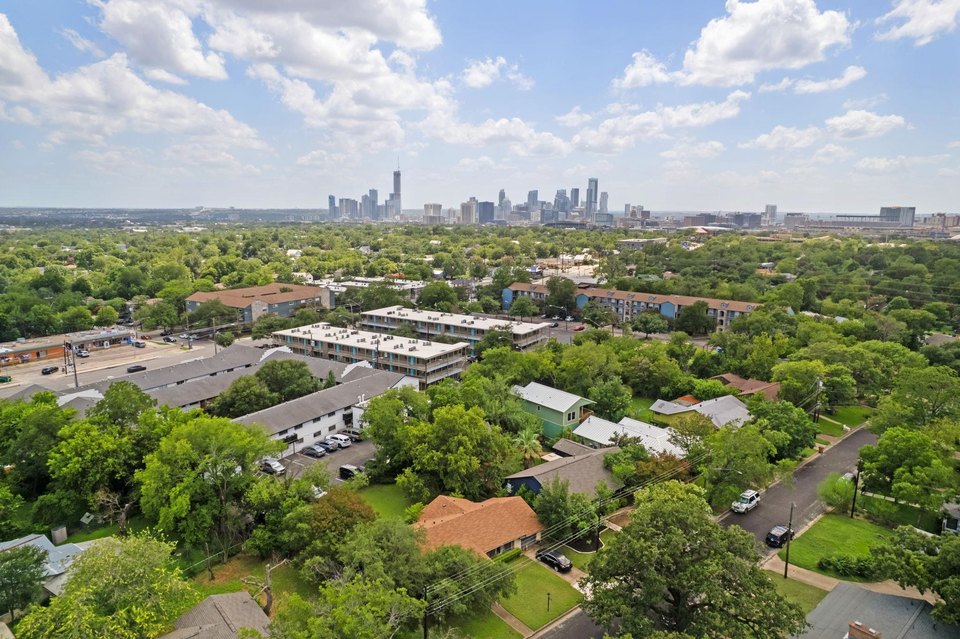
If you’re wondering where Austin, Texas is, you’re probably doing more than satisfying curiosity. This is a common search for people planning a visit, comparing Texas cities, or deciding whether Austin makes sense as a place to live. Austin sits in a uniquely connected part of the state, close enough to other major metros for easy weekend trips, while still offering its own distinct lifestyle. Understanding where it is on the map is step one, understanding what that location means for daily life is where the real clarity comes in.
Austin’s location is also important because it works on two levels. There’s the big-picture view, where it sits within Texas and how it connects to surrounding cities. Then there’s the everyday view, how different parts of Austin connect to job centers, schools, outdoor destinations, and your routine. If you’re thinking about relocating or buying a home, both levels matter, because “Austin” on a map is not the same as “Austin” in real life.
Below is a clear, real-estate-friendly breakdown of where Austin is, what’s nearby, and why the city’s location plays such a big role in lifestyle and housing decisions.
Austin’s Location in Texas: Central, Connected, and Easy to Place
Austin is located in Central Texas, roughly in the middle of the state, and it’s also the capital of Texas. That combination gives the city a unique mix of government influence, education, and a constantly evolving business environment. When people think of Texas as a set of major metros, Austin is often pictured between the Dallas–Fort Worth area to the north and San Antonio to the south, with Houston sitting farther east. This central placement is a big reason Austin is so frequently described as “connected.” It’s positioned to make road trips, regional travel, and business travel feel manageable without being tucked away in a corner of the state.
Austin also sits near a geographic transition zone that locals often recognize even if they don’t name it. You’ll hear people talk about the city as a gateway between flatter areas and the more scenic, rolling terrain of the Hill Country. That’s why certain parts of Austin feel greener or more elevated, and why quick drives can take you from dense, urban areas to trail systems and hill views faster than you’d expect.
How Close Is Austin to Other Major Cities?
Because Austin sits on a major north–south corridor, it’s especially well connected to other cities by highway. That matters for visitors, but it matters even more for residents. Many people choose Austin because they want a home base that still makes it realistic to see family, attend events, or take weekend trips without turning everything into a major travel day. If you like the idea of having access to multiple metros, whether for work, entertainment, or personal connections, Austin’s central placement supports that lifestyle.
From a housing standpoint, this is often where the conversation gets practical. Some buyers want to be close to downtown or major employment centers. Others are open to living outside the core as long as they can still access the city easily. Austin’s location makes both approaches possible, but it also forces you to think carefully about traffic flow and timing. A neighborhood that looks “close” on a map may feel farther when you factor in peak-hour congestion or frequent trips across town.
If you’re relocating, one of the smartest steps is to test the city the way you would live in it. Drive typical routes at the times you’d actually use them. Check how easily you can reach the airport, major shopping areas, parks, and the places you’ll realistically go every week. Austin’s location gives you options, but your quality of life depends on picking the option that fits your routine.
Hill Country Proximity: Why Austin Feels Like a City and a Getaway
Austin is often described as the gateway to the Texas Hill Country, which is one of the biggest lifestyle perks tied to its location. When you live in Austin, it’s easy to make a normal weekend feel like a mini vacation because scenic drives, lake views, and small-town charm are within reach. That proximity shapes how locals spend free time. Patios, outdoor dining, day trips, and water activities aren’t occasional treats; they’re part of the rhythm of living here.
This connection also influences what people prefer in a neighborhood. Some residents prioritize being closer to the west side and Hill Country access because they value the landscape and weekend ease. Others prefer being closer to downtown or major job corridors because they want a shorter weekday routine, and then they’ll drive out for scenery when they feel like it. Neither approach is “right.” The point is that Austin’s location gives you flexibility, and the best fit depends on whether your lifestyle is more weekday-focused, weekend-focused, or a balance of both.
Austin’s climate also plays a role. Outdoor plans are common for much of the year, which makes location and access to trails, parks, and water more relevant than they might be in other cities. Even if you’re not moving here specifically for outdoor life, Austin’s location nudges you toward it, because so much of the social scene is built around being outside when possible.
What “Where Is Austin” Means for Real Estate: Micro-Location Matters
Once you understand where Austin is within Texas, the more important question becomes: Where do you want to be within the Austin metro? Austin is not a city where every area feels the same. Your daily life can change dramatically depending on which side of town you choose and how close you are to your main destinations. Being “close to downtown” can mean one thing if you’re on a direct route with smoother traffic patterns and something completely different if your commute requires crossing bottlenecks every day.
Micro-location matters because it impacts commute time, school options, walkability, noise level, and even how often you’ll actually take advantage of the city. If you love restaurants, events, and nightlife, you may want easier access to the parts of Austin where those are concentrated. If you prioritize space and a quieter routine, you may look for areas that trade a bit of drive time for more room, newer construction, or a different neighborhood feel. And if you want balance, you’ll likely focus on areas that sit between job centers and the places you enjoy most on weekends, so you’re not constantly driving across the city.
For people new to Austin, a helpful way to narrow choices is to think about “daily-life anchors.” Where will you work? Where will you grocery shop? How often will you go downtown? Do you prefer quick access to trails, or do you care more about being near dining and entertainment? Austin’s location within Texas is a major advantage—but within Austin, the right location is what makes the city feel easy.
Understanding Austin’s Location Helps You Choose the Right Fit
Austin is in Central Texas, positioned to connect you to other major cities while also sitting close to the Hill Country, one reason it blends city energy with easy access to weekend escapes. If you’re researching Austin because you’re considering a move, the next step after “where is it” is “where in Austin fits my lifestyle,” because commute patterns and neighborhood feel can vary a lot. If you want help narrowing down areas that match your priorities, The Morshed Group is a useful Austin real estate resource to keep in mind.