
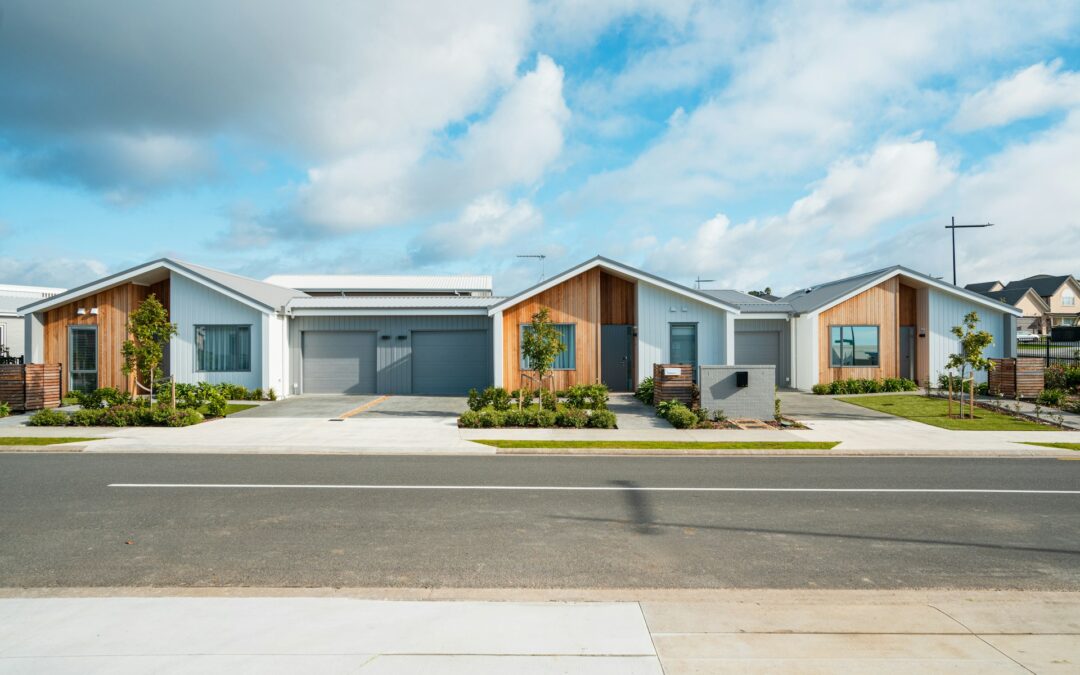
A million-dollar home in Austin is no longer just a reward for working hard. For many entrepreneurs and executives, it is becoming a core part of a long-term wealth plan, right alongside equity, business holdings, and other investments.
We are talking about homes roughly in the $1 million to $3 million range that sit in strong locations and serve real lifestyle needs, not just as status symbols but as productive assets. As Austin’s tech, venture, and corporate scenes keep maturing, demand at these price points is getting more strategic. The key is to stop treating a luxury home as a trophy and start treating it like a high-performing asset class, guided by data, timing, and clear goals.
Understanding the New Floor of Luxury in Austin
Luxury used to mean a big house with nice finishes. Now, in Austin, the floor for what counts as luxury has been pushed up by higher construction costs, limited land in the best areas, and rising incomes in the tech and executive world. A price tag alone does not tell the full story anymore.
Million-dollar homes in Austin tend to cluster in a few key zones:
- West Austin and established central neighborhoods
- Infill pockets near downtown and the core business districts
- High-amenity suburbs with strong schools and daily convenience
- Lifestyle corridors with quick access to major employers and social hubs
Within those areas, micro-location can shift long-term value in a big way. Two homes with similar size and finish can live on very different growth paths depending on street, lot shape, privacy, noise, and school zoning.
There is also a real difference between what we call aspirational luxury and institutional-grade luxury. Aspirational luxury leans on:
- Fancy finishes and trendy materials
- Staging, marketing, and dramatic photos
- Flashy features that may not age well
Institutional-grade luxury focuses more on:
- Lot quality and land value
- School district and feeder patterns
- Access to major roads and daily essentials
- Zoning and future building potential
The second group behaves more like a wealth engine across 10 to 15 years, even when the broader market cools or gets choppy.
How Million-Dollar Homes in Austin Build Long-Term Wealth
A well-chosen home in this range works through three main levers: appreciation, leverage, and tax efficiency.
Appreciation is the gain in value over time. With million-dollar homes in Austin, long-term appreciation tends to follow things like:
- Stable or rising demand from high-earning buyers
- Limited supply of comparable homes or lots
- Ongoing improvements in neighborhoods and schools
Leverage is about how you use financing. When you put a portion down and finance the rest, any growth in the home’s value is based on the full property, not just your cash. Over a long hold period, that can multiply your effective return, as long as the debt is structured wisely for your income and business cycles.
Tax efficiency is the quiet third lever. For primary residences, many homeowners benefit from things like:
- Potential mortgage interest deductions
- Property tax deductions within limits
- Capital gains exclusions on a sale of a primary home, when rules are met
Everyone’s situation is different, so this is where a CPA is important. But when your home strategy and tax strategy speak to each other, wealth can compound faster.
Disciplined decisions around improvements also matter. Many owners see stronger total returns when they:
- Hold through full cycles instead of flipping on emotion
- Time upgrades, like outdoor living areas or pools, after they understand how they actually use the property
- Add smart value, such as better floorplan flow or a guest space that can convert to future office or studio use
Risk management is another big piece. Long-term resilience tends to show up in:
- Strong, consistent school districts
- Commute patterns that still work as the city grows
- Lifestyle corridors that keep drawing employers, restaurants, and services
Chasing the hottest new pocket can feel exciting, but it is often less reliable over a decade than buying into an already proven pattern of demand.
Reading Austin’s Luxury Micro-Markets Like an Investor
Looking at luxury micro-markets like an investor means watching the signals behind the headlines. At The Morshed Group, we lean on Austin-focused data such as days on market, absorption rates, and price per square foot by school district and product type. That helps reveal where capital is quietly rotating in and where it is thinning out.
A few of the key contrasts we pay attention to:
- Central Austin vs emerging high-end suburbs and how each responds to tech hiring cycles
- Waterfront and lake access vs elevated view corridors and how each holds value in slower markets
- Corridors close to major tech employers vs areas waiting on future infrastructure
Seasonality plays into this too. Late summer often brings relocation activity tied to new roles, school calendars, and bonus timing. As we move from August into the fall, we typically see:
- More serious buyers with clear timelines
- Sellers who may be motivated to finish before year-end priorities kick in
- Opportunities for buyers who can move quickly while others are distracted by travel and school routines
If you read these patterns with an investor’s eye, you can be choosier about when to buy, hold, improve, or sell.
Building a Five- and Ten-Year Strategy Around Your Home
Instead of thinking in one-off moves, it helps to think in phases. A thoughtful plan around a million-dollar home might look like:
- Phase 1: Strategic acquisition in the right micro-market and school zone
- Phase 2: Value-add improvements that strengthen function and future resale
- Phase 3: Lifestyle upgrades that make the home deeply livable for your daily life
- Phase 4: Repositioning, such as upsizing, downsizing, or converting equity into an investment property
A long-range wealth plan for a luxury home often includes:
- A target hold period that lines up with career and family plans
- Projected equity milestones at different home values and loan balances
- Planned renovation windows that fit your cash flow and business cycles
- Possible refinance points as rates and equity shift
- Clear backup exit strategies if life or work changes faster than expected
Entrepreneurs and executives have added layers to think about. Income may be uneven, tied to deals, bonuses, or liquidity events. That makes a home even more important as a stabilizing anchor asset. When your real estate strategy fits your business runway, travel load, and risk tolerance, the home can be a source of both comfort and long-term capital strength.
Next Moves to Turn Your Home Into a Capital Strategy
Treating a million-dollar home in Austin like a wealth engine starts with seeing it as a core piece of your balance sheet, not just a lifestyle upgrade. That shift in mindset changes how you choose neighborhoods, weigh floorplans, and think about timing.
From there, the most helpful next moves are simple but powerful: review how your current property fits your long-term goals, test new purchase ideas against a range of market and life scenarios, and get clear on where you want to be in five to ten years, both personally and professionally. With that clarity, an Austin luxury home can move from being just a beautiful place to live to being one of the smartest, most durable assets in your entire portfolio.
Explore Austin Luxury Living With Confidence
Ready to see what’s truly possible in Austin’s luxury market? Browse our curated selection of million-dollar homes in Austin to find properties that match your lifestyle and long-term goals. If you would like experienced guidance at every step, contact us so The Morshed Group can help you move from exploring to owning with clarity and confidence.